Showing posts with label book awards. Show all posts

Tuesday, December 31, 2024

2024 This Fluid Thrill Awards: Best Reading

I read 20 books that were released in 2024, but that's burying the lede. I actually read 100 books this calendar year, published between 1837 (The Pickwick Papers) and 2024.

One hundred. 

This is the first time in tracking my reading here (see previous awards: 2023, 2022, 2021, 2020, 2019, 2018, 2017... 2014, 2013, 2012, 2011, & 2010) that I've cracked three figures. 

The previous high was 90 in 2021.

I had five reading targets for the year, all of which I met, but there was no target for gross number of books.

How'd I do it? When you look at what format I consumed these books, the answer might seem to be through my ears...


But I actually listened to more audiobooks (85) in 2021. This is the first time in over a decade I've read as many physical books. Issues with my eyes (and attention span) aren't as bad as they were. Yay!

I've also been more ruthless with audiobooks, abandoning some early (these don't count towards the total and I won't drag anyone here) and moving onto books I'm more likely to devour.

Speak of which...

Best Reading of 2024

Outline by Rachel Cusk (2014)

If there's a theme for this year's top ten, it's clusters. This year I read five books by Cusk, and the Outline trilogy was an absolute highlight. The first book in the trilogy gets top billing here thanks to the thrill of seeing the magician pull the trick for the first time (autofiction with the merest silhouette of the author-narrator). Rather than diminishing marginal returns in the next two books, the power of Fay's self-abnegation only builds.

For more, check out my March/April consumption diary.


She's a Killer by Kirsten McDougall (2021)

Here's what I said about it in February:
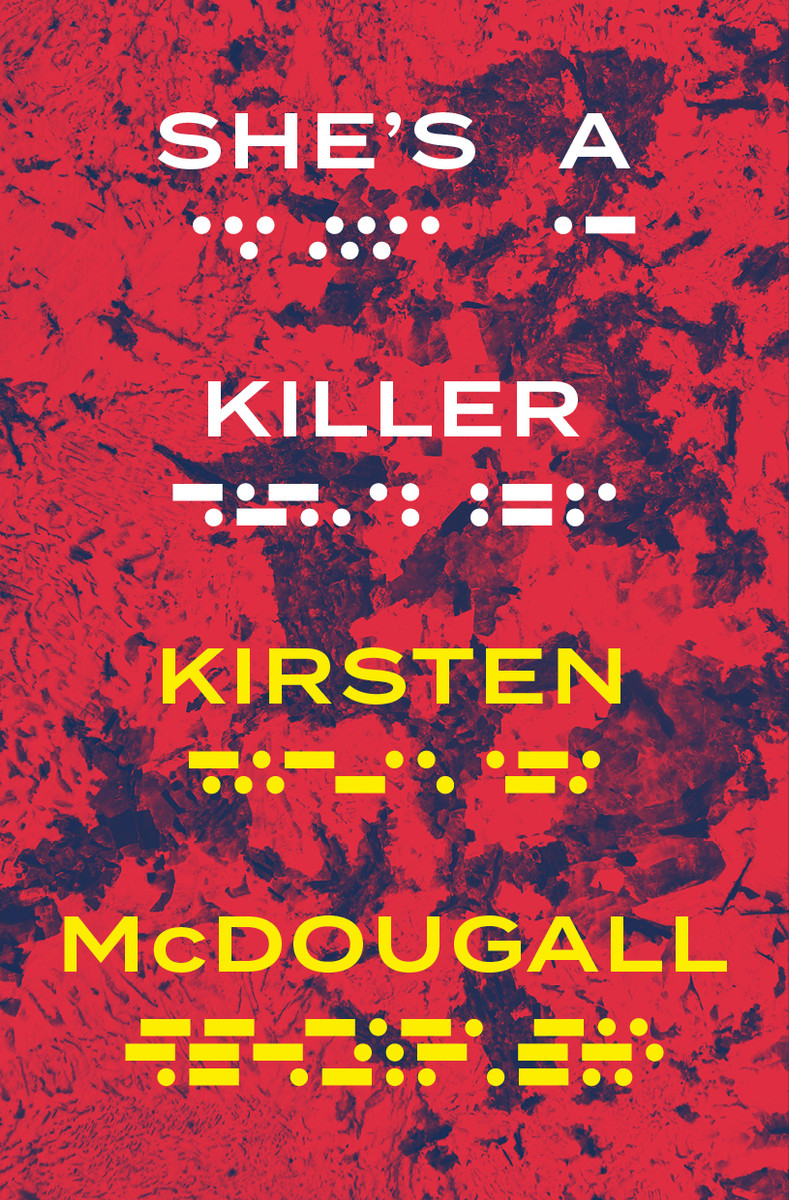
Holy Moses this was great. This seems weird to say, and only just occurred to me several weeks after reading it, but it's like a grown-up Fight Club. The disaffection. The bifurcation. The sardonic wit. But without the empty nihilism and cheap shocks.
Looking back, this might've been the book that got me back into the physical form. So much good Aotearoa NZ stuff still isn't making it to audiobook.


Wellness by Nathan Hill (2023)

Here's what I said about it in July:
Wonderful. Part of me feels I shouldn't have loved it so much as it's lineage back through Jonathan Franzen is pretty clear (even without Oprah's seal of approval for Wellness), but it deals with things I'm interested in (and made me interested in things I wasn't previously) and feels big without being overblown or tryhard. Need to go back and read The Nix now.
Cluster #2: fat Nathan Hill books. While The Nix got more buzz upon its release, and I liked it when I read it later in the year, I still rate Wellness higher.


Romantic Comedy by Curtis Sittenfeld (2023)

Here's what I said about it in April:

I'm a sucker for stories that immerse me in a world I was sort of interested in already but not obsessively so, like Saturday Night Live (which Sittenfeld repatches as The Night Owls in her novel). Pair this with a not-too-typical, not-too-out-there love story and you've got a winner.

The good test of a book like this, which is trying to have its genre cake and eat it too, is whether you can remember much of the plot or characters at the end of the year. This one absolutely passes this test. Memorable and smart. *Chefs kiss*


Martyr by Kaveh Akbar (2024)
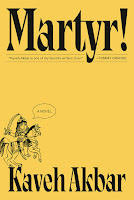
Maybe this is recency bias, but Akbar claims the title of best book actually published-and-read in 2024 (just pipping James by Percival Everett, Good Material by Dolly Alderton, and Intermezzo by Sally Rooney).

Here's what I said about it in my December consumption diary:
This could be the start of a bad joke: Acclaimed poet writes a literary novel about death, religion, sexuality, loss, nationhood and lies... Except it fucking rules.

The narrative hinges on a pretty incredible (as in: hard to believe, though not hard to predict) twist, and yet somehow it doesn't scuttle the whole enterprise.

The most fun you can have while being miserable. Highly recommended.


Right Story, Wrong Story by Tyson Yunkaporta (2023)

First non-fiction on this list. First Australian. First first nations. Second book by Yunkaporta to make one of my year-end lists.

Here's what I said about it in February:

A worthy successor to Sand Talk, but I'm worried I might come across as one of the wrong kind of fans of Yunkaporta's books (who Yunkaporta addresses in this latest book).
Subsequently, I took part in an cross-discipline, online competition-cum-capacity-building-thingamee about indigenous perspectives on energy and climate change. Yunkaporta was one of the guest speakers and he was the same caustic, insightful, unserious-and-dead-serious-simultaneously self as presented in his (audio)books.


Skippy Dies by Paul Murray (2011)

Here's what I said about it in May:
Another book I was on the fence about reading (having already committed many hours to listening to the very good, but very Irish Franzen-y The Bee Sting already this year).
Another book I ended up really enjoying. I think I preferred this to The Bee Sting because it's a bit less Franzen-y and because I myself have been grappling with a plot point not dissimilar to (not a spoiler, guys) Skippy dying!!!

Another fat book cluster. Unlike with Nathan Hill, I preferred Murray's earlier book to his newer one. It felt wilder. Less Seriously Funny Family Saga and more Stranger Things without the STRANGE THINGS (though there's plenty of lower case strangeness). 


Big Swiss by Jen Beagin (2023)

Here's what I said about it in May:

Yeah! This was excellent. Funny, dark-at-times, possibly even profound. And it has dogs in it!

I really liked that the protagonist/narrator was late 40s (I think) but language and ideas still seemed to be alive to them. It felt true(ish) to my inner dialogue as a early 40s person. 

Totally unrelated negative-impulse: I don't want to Google how old Elizabeth Bennett's parents are in Pride and Prejudice...

Nothing further to add, your honour. The Defence rests. 


Companion Piece by Ali Smith (2022)

Here's what I said about it in October:

The great Ali Smith keeps on being great in uncomfortable ways.
It's incredible how much now-ness Smith gets into her books. You can pretty much lock in a slot in next year's list for Glif (and maybe it's companion piece, Glyph, if it comes out and I read it before the end of the year)... though I find the sight of the word 'Glif' very triggering as someone who often gets called Cliff in email, and occasionally Graig.


Poūkahangahatus by Tayi Tibble (2018)

I didn't write about thing about this in my December consumption diary because I hadn't actually read it before I left for Christmas up North, but I had it in my backpack and needed to read it to complete my goal of reading at least 10 single-poet collections this year. 

It's crazy it took me six years to get to this collection. Crazy.

It's incredibly polished for a first collection published so young... annnnnnd this is where I stop myself from saying other condescending-sounding drivel.

This is the collection that convinced me that I need to read AT LEAST another ten poetry collections next year (with Tibble's sophomore effort top of the list).

Graphs and shit

A little more on how my 100 books breaks down... (sorry for the pixelation, for some reason posting graphs directly isn't working today).


Works in translation: 7
Works by non-white authors: 27

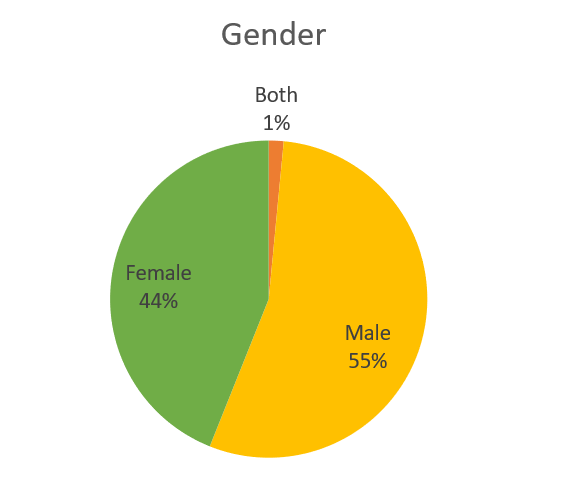
This gender split was interesting. Last year it was 35 female to 23 male authors, but going back to preceding years, 2024 looks pretty typical. Maybe it's because of the non-fiction I read? I read 19 non-fiction books by dudes and only 3 by females in 2024... Whereas with novels it was 34 females to 28 males.

Reading targets for 2025

  • Read 100 books (why not?)
  • Read at least 10 single-author poetry collections
  • Read at least 20 physical books
  • Read at least 10 non-fiction books by female authors
  • Non-white + translated > 40
Okay, buckle in.

Tuesday, January 10, 2023

This Fluid Thrill Book Awards 2022: Best Books

This list is all about the best books I read in 2022, not necessarily those that came out this year.

I do this most years, see: 20212020201920182017, (...), 2014201320122011, & 2010.

And, like most years, I'm going to delve into some stats first.

I read 66 books in 2022, down from 90 in 2021, but the same total as what I read in 2020. A reversion to the mean? Probably. Sure, the additional reading I did for my doctorate and judging another writing competition likely took a dent out of my reading/listening to audiobooks for pleasure time, but there's always something. If I can hit 70 books in 2023 I'll be satisfied.

On that read/listen point, the trend continues: 3 physical books (all NZ authors) and 63 audiobooks (incl. 7 NZ... which is probably a record... hold that thought). Eye-issues plus busy life plus the fact almost 20 years of listening to audiobooks has sufficiently wired my brain to "read" for enjoyment and/or read critically through my ears.

My publisher is bringing out an anthology next year featuring one of my stories and I asked if there'd be an audiobook version (buoyed by the appearance of the likes of Noelle McCarthy's memoir and Coco Solid's novel in audiobook format in 2022). The response was... not encouraging. I wonder if it's because their business model does not adequately capture value from listeners who use library services like Libby? I know the Public Lending Right in NZ has some catching up to do in this respect also. 

My reliance on audiobooks influences my reading across every dimension:

  • Where I'm reading:


So many Americans! Some years the US and UK are neck and neck. Kinda stoked to see NZ beat the UK for once.

  • What I'm reading:


No poetry collections! For the first in a long time. I borrowed some as e-books, but never got around to reading them (there was always an audiobook that was due back in a couple of days). For shame! I might need to do something silly like set aside a month to just read poetry... Poetray? Poetruly? Sepoetry?

  • When I'm reading:


The limited (but expanding) pool for audiobooks means I'm always lurking in the deep end for new additions, which tend to be recent releases. The long tail indicates I do go into the back catalogue for authors/books that take my fancy if I can find them, but I wouldn't say I put a lot of effort into reading outside of my era in 2022.

  • Who I'm reading:


These are rough measures of diversity. I haven't researched the family tree of every author or the intricacies of their gender identities, but it gives a fair representation of the audiobook marketplace (if you factor in that I'm conscious of the biases in said marketplace and try to read diversely... which is even more depressing).

Interestingly, the splits for both the above graphs were the same in 2021. Spooky. 

The percentage of books in translation dropped from 8% in 2022 to 6% in 2022. Rounding error.

Okay, so that was my reading landscape... Now for:

My favourite books of 2022 (in a semi-thematic order rather than a merit ranking)

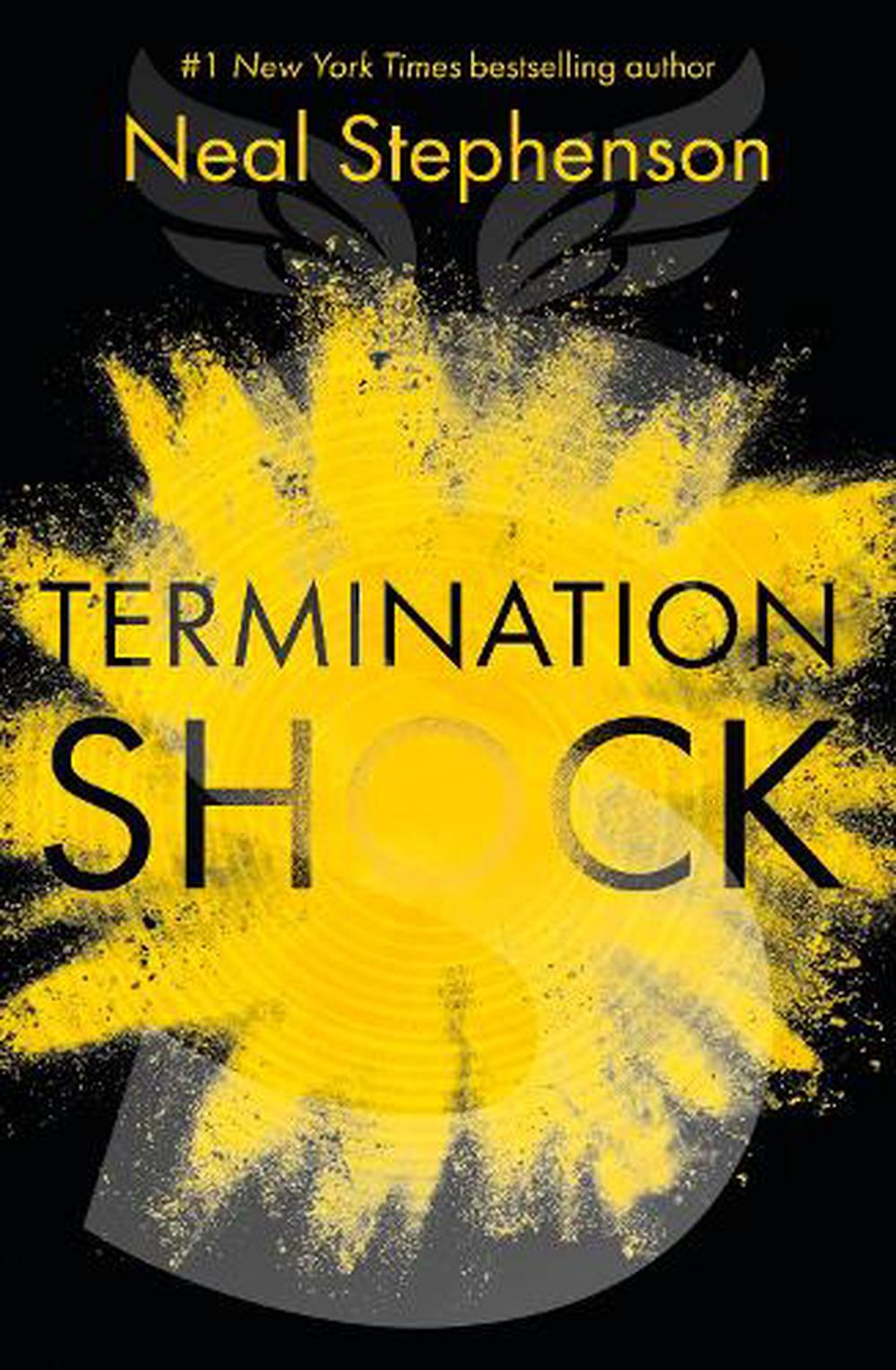
Termination Shock by Neal Stephenson

A big, raucous, uneven slab of speculative fiction. Powerful people with vested interests in low-lying locales not being swallowed by the sea (see: real estate values) get embroiled in a plot to re-engineer the climate. Not usually the sort of people I'd want to spend 15 hours / 720 pages with, but Stephenson has a way of telling stories populated by adequate vessels for the plot, and plots that don't deal in moral absolutes or media black and whites.

Project Hail Mary by Andy Weir

As with Termination Shock, the geek quotient is high here, as you'd expect from the author of The Martian. Project Hail Mary starts with the less-than-promising trope of the amnesic astronaut, and there's a fair amount of hard sci 'watch me do calculations', but this one goes somewhere new and unexpected (for this occasional tourist in outer space, at least). 

Liberation Day by George Saunders

Has it really been 9 years since Tenth of December? In that time, Saunders won the Booker with an over-hyped, under-whelming novel and wrote an amazeballs non-fiction book about Russian masters of the short story. 

I approached Liberation Day with trepidation. It sounded like a George Saunders title, but also a Fox News chryon. The title story opens the collection and is an amalgam of 'Escape from Spiderhead', 'Pastoralia' and 'The Semplica Girl Diaries'... and it's not the only story you can reformulate using 2 or 3 stories from Saunders preceding collections...

BUT each of them works. More than works: each is better than the best of its antecedents.

Maybe I'm still under the spell of A Swim in a Pond in the Rain... 'Liberation Day' seems to be directly in conversation with what Saunders-speaking-as-Saunders has said about fiction. The story is about the act of writing, yet avoids all the pitfalls that come with being meta. How? How!?

I was prepared not to love this collection. But it left me undone in the best way.

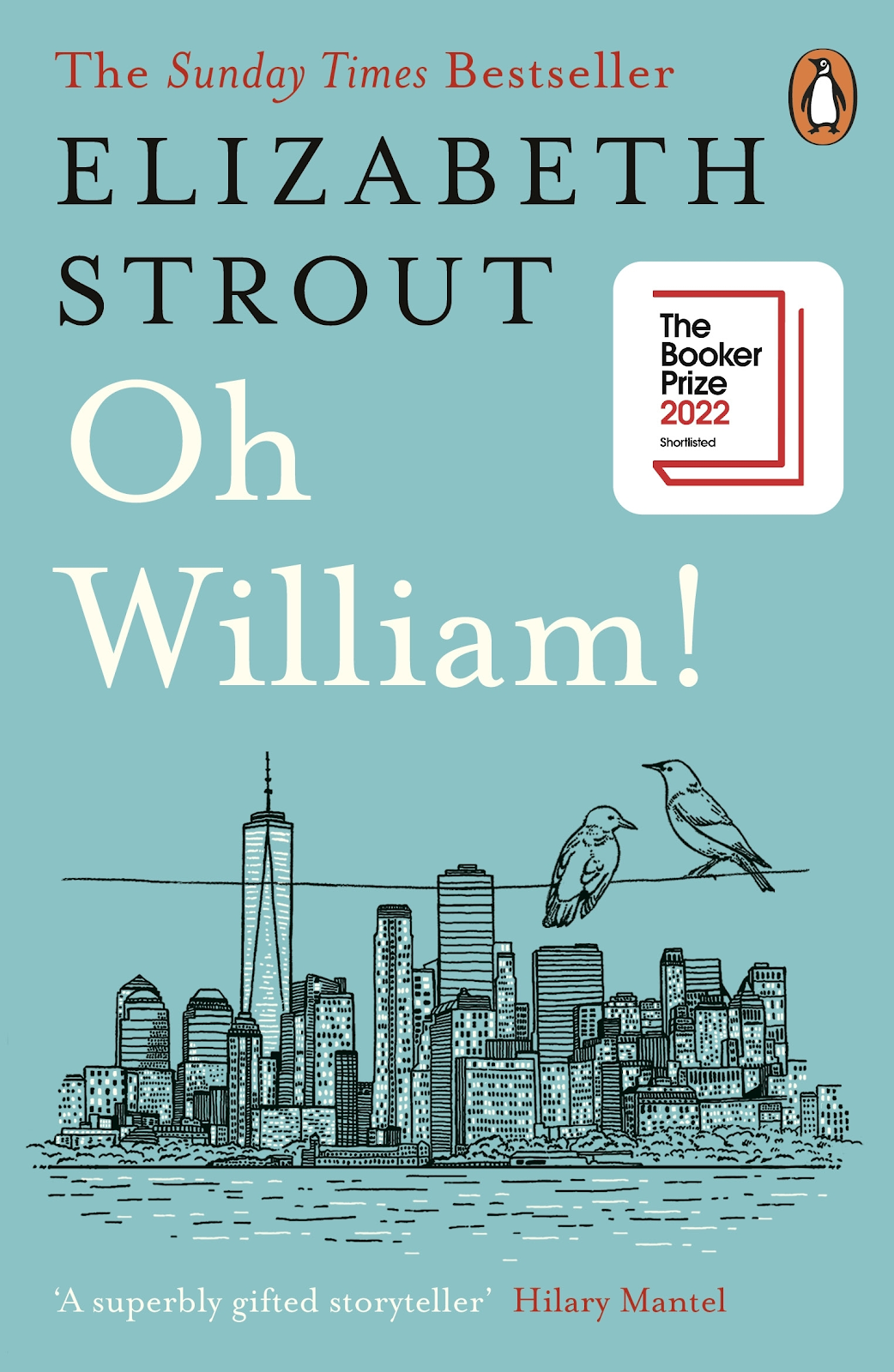
Oh William! by Elizabeth Strout

In what is becoming an almost annual occurrence, Strout strides into the top ten with another book that's probably better than the last. Oh William! is the third in the Lucy Barton series, and has already been followed up with a fourth (Lucy by the Sea... which bookmakers have given short odds to appear in the 2023 This Fluid Thrill book awards!).

It's interesting to compare Strout and Saunders, two writers at the height of their powers. My fear with Saunders is always that the fireworks will explode while still in his hands. With Strout, it's that she decides to leave the matches at home and enjoy the dusk in peace. But she's too canny for that. One mustn't mistake New England restraint for a lack of narrative drive. 

I'm Glad My Mom Died by Jeanette McCurdy

I was prepared to actively dislike this memoir. The title was a little reminiscent of the novel How to Kill Your Family, which stands out as one of my reading lowlights in recent years. I didn't really know who McCurdy was, and don't think I'd ever stumbled across an episode of iCarly, the Nickelodeon kids show that made her famous as a teen. But I didn't need to.

The magic here is in the voice of McCurdy, which manages to be both frank and entertaining (see the tightrope-walk title). There's enough raw material for a full-on misery memoir here, but McCurdy doesn't belabour individual instances of her mother's narcissism and child-abuse-in-hindsight. She incriminates herself in every step down the staircase of an eating disorder, and even when absolving her childhood self of these actions, it's still not black and white.

Grand by Noelle McCarthy

Another memoir that revolves around a media personality and her less-than-stellar mother. This time, it's Irish ex-pat / NZ radio personality McCarthy and her alcoholic mother. While this relationship centres much of the telling, this book is about so much more: childhood in Ireland, emigrating to NZ, the author's own boozy past and near-misses, and becoming a mother herself. 

Grand feels finely crafted, as if each chapter is expertly placed and counterbalanced, each chapter in turn comprises of its own set of smaller, complimentary pieces, like the felt-lined compartments of an apothecary's cabinet. 

I'm excited to read what Noelle McCarthy publishes next.

Loop Tracks by Sue Orr

When the audiobook of this dropped in 2022 I leaped at the chance to re-enter this world. So much of the coverage when Loop Tracks was released in New Zealand in 2021 focussed on the extended opening scene where a pregnant teen is due to fly to Sydney for an abortion (illegal in NZ at the time). 

But this is also a lockdown novel, a neurodiversity novel, even a hooking-up-with-the-guy-next-door novel. It's the kind of book that reflects different lights from different angles.

Fantastic stuff!

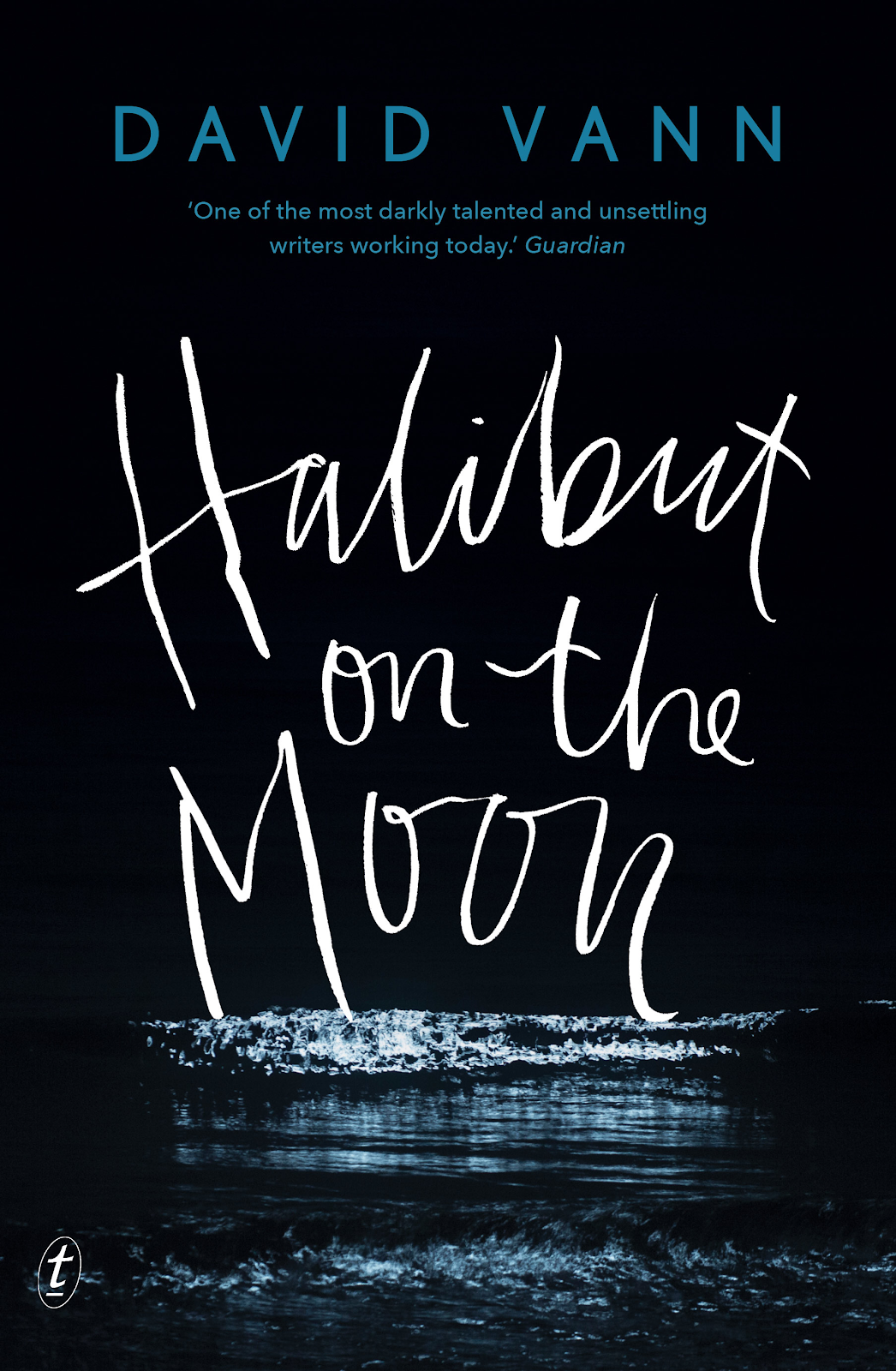
Halibut on the Moon by David Vann

Another NZ-ish novel I read behind the times due to my audiobook crutch. This is quite literally the third or fourth time Vann has written this book, but hells bells, this is up there with Legend of a Suicide

(It's probably better, but I'm a sucker for the narrative tricks Vann pulled that first time out and was far more impressionable when I read it.)

The Adversary by Emmanuel Carrere

This is Carrere's non-fiction account of a man who killed his family, but that's just the start of it (the subtitle is: a true story of monstrous deception). Carrere is very much part of the telling, including why the case first interested him, his thwarted attempts to make contact with the accused, his decision to write a novel about it instead, then finally striking up a dialogue with the murderer. 

For this kind of writer-in-the-midst tale to work, the author's own circumstances and insights must be as intriguing and rewarding as the retelling of the 'monstrous deception'. Carrere does seems to come from a similar Francophone misandrist mold as Michel Houellebecq, but is somehow less creepy and thus eminently more successful.

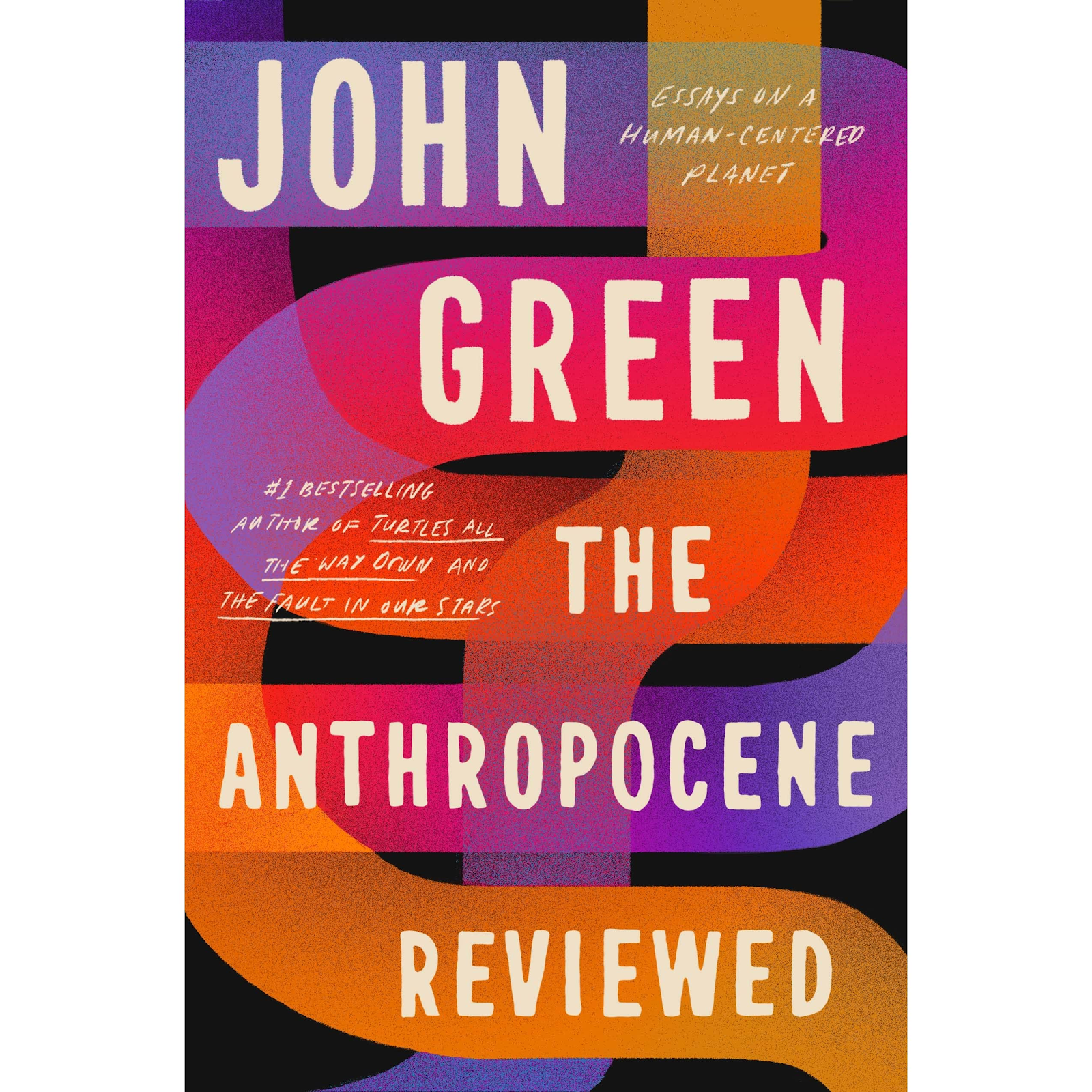
The Anthropocene Reviewed by John Green

This was another case of my preconceptions being confounded (I guess my natural disposition is: hater). Turns out I'm a snob about YA authors and YouTubers, despite enjoying many YA novels and many, many hours of YouTube content. But even the smartest, most engaging thinkers can struggle with wide-ranging topics and the 'I'm just picking what interests me' approach (see Chuck Klosterman's The Nineties). 

But Green manages to pull it off. From plagues to the QWERTY keyboard to Diet Dr Pepper, this book is both good company and enlightening.

Wednesday, June 1, 2011

On the NZ Post Book Awards 2011 (but mostly just the best first book o' fiction)

Congratulations to Pip Adam, winner of the 2011 NZSA Hubert Church Best First Book Award for Fiction for her short story collection, Everything We Hoped For.

I interviewed Pip in July last year on this blog. It’s a good read, if I do say so myself.

Along with Pip and myself, there was another great new Kiwi short story writer surfing the New Wave in 2010: Tina Makereti (also interviewed here). The latest news is that Tina’s book, Once Upon a Time in Aotearoa is being studied at Harvard, so there are honours all round.

But back to the NZ Post Book Awards. In addition to the First Book Winners (fiction, poetry, non-fiction) being announced today (with no shortlists), the short-lists for the best books were also announced.

There’ll always be comments about the one’s that missed out, especially so with only three short-listed slots each for fiction and poetry. So there’s no Lloyd Jones or Patrick Evans (see my thoughts on Gifted here), but there is space for Laurence Fearnley’s The Hut Builder (which I wasn't mad about), Tim Wilson’s Their Faces Were Shining and Charlotte Grimshaw’s The Night Book.

The Listener’s Guy Somerset has a nice wrap up of the awards, in particular the sluggish/non-existent coverage in the media today.

Bookman Beattie also weighs in on the awards. Including this snippet:
And of course the title omitted that everyone is talking about is Craig Cliff's A Man Melting. It cleaned up tough international competition to win the Commonwealth Writers Prize for best first book and yet doesn't even get short-listed in our local awards?
What were the judges thinking about?
Well, I can’t speak for the judges but here are a few thoughts from me...

1) Who is this everyone that the Bookman hears talking? Was it my mum?

2) Just because one set of judges like one book, doesn’t mean all panels will agree with the choice.

3) Don’t blame the judges for the no shortlist for first books / 3 book shortlist for fiction set-up. That’s on booksellers NZ and the awards’ committee. And they have their reasons, however narrow-minded.

4) In the scheme of things, it’s probably a good thing to share the “first book” prize love around. It's hard to keep any buzz going for a first book 12 months after it was launched without an accolade like this and Pip is a great writer (and encouragingly her best stuff is her new stuff - I think ‘Featherston Street’ which was published in Turbine 2010 is better than anything in EWHF, and ‘This Year’ in Sport 39 raises the bar even higher).

5) Doesn’t it say something that the last two winners of the best first book (fiction) at the Posties have been short story collections (Anna Taylor won in 2010)? Yes. It says there’s some pretty exciting stuff happening in NZ writing, especially when it comes in small chunks of prose. Now if only Sue Orr's From Under The Overcoat can win the Best Book award next year, the short story's (re)ascendence will be complete!

Wednesday, May 25, 2011

Sydney Writers' Festival: everything in one massive post with nothing new to add

NB: This post just collects the four separate posts on my Sydney Writers' Festival and Commonwealth Writers' Prize experience into one 7,400 word post. Nothing new to see here, but it may be useful for linking to later on...

Part One

Our hotel, the Sebel Pier One

Sydney Writers Festival / Commonwealth Writers Prize 2011, Part 4 of 4

For the full story you should read:
Auckland Writers and Readers Festival, Part One and Part Two
Sydney Writers' Festival, Part One, Part Two and Part Three


Saturday

This was always going to be a big day. The announcement of the winners of the CWP best first book and best book was never that prominent an event on my itinerary. I'd been focussed firstly on the outreach events (and felt suitably warm, fuzzy and inspired afterwards), then the more traditional festival activities. I was most anxious about my two panel discussions on Saturday as I felt unqualified in terms of the subject matter, let alone the fact I'd never been on a panel discussion at a festival (let alone the 3rd biggest in the World) about anything other than my book and myself.

First up it was 'Mirth of a Nation', about whether Australia had lost its sense of humour "in these times of relative economic prosperity." The session was chaired by Steve Cannane, himself a funny guy (I remember listening to him on Triple J when I lived in Brisbane). To my left sat Richard Glover, a radio personality (he hosts the most popular drivetime show in Sydney), in addition to being the author of a dozen books and writing a popular newspaper column for over 20 years (!). To my right: Tim 'Rosso' Ross, radio and TV personality (most famously as one half of Merrick and Rosso), stand-up comic and author. Both Aussie institutions in their own way. On the SWF programme I was listed as "Kiwi Craig Cliff" and felt very much like the token New Zealander.

Me yarning at 'The Mirth of a Nation'
But thankfully I'd spent the last six days in Australia and it had brought back some memories from my time spent in Queensland (2004-2007) as well as supplying some new memories.

The night before I listed about four HILARIOUS anecdotes and I managed to squeeze them all in to our discussion. To my relief they were received with much laughter (my retelling of the counting to seven for the GG was particularly funny). It was all going great. I looked at my watch, thinking it must just about be the end of the hour, but it had only been thirty minutes. Gulp. I was out of material and the conversation was starting to veer off in the subtle differences between Australian states…

I was definitely the quieter of the three panellists the second half of the session, but I think I managed to hold my own. My posse (Marisa, Shannon my publicist from Random House, and Katrina Best) all said I did well. Which, given the fact I was plonked on the panel without being consulted and with little qualifications other than the fact I'm from across the Tasman, is probably a lucky break for the festival and everyone who attended the session (though it was a free event).

I should add that I managed to mention my book of short stories in passing (can’t quite remember how anymore), but I wasn't expecting much love at the signing table afterwards. And not much love is what I (and Richard Glover and Tim Ross) received. In fact, I only sold/signed two books, one to Richard and one to Tim. Rosso grabbed a couple of copies of his book, 'Mum Had a Kingswood' and signed one for me. 'Just take it,' he told me. 'I can't steal it,' I said. 'No one will notice,' he said. 'You're a bad influence!'


Afterwards I went and purchased Richard's book 'Why Men are Necessary' and got him to sign it in the greenroom after lunch as we were panel-mates again. This session was entitled, 'A True Bromance' and asked whether there was more to male friendship than mateship? This was a paid event and it was SOLD OUT well in advance. No, pressure, eh?

Joining Richard and I was actor/screenwriter/novelist Brendan Cowell. The session was chaired by journo and author Mark Dapin. Again I felt under-qualified and overmatched. Richard's recent book, The Mud House, is about his thirty year effort to build a house in the boonies with his best (male) friend. Brendan's first novel, How It Feels, is about the close friendship between two blokes. My short story collection is pretty devoid of bromance, which is kind of difficult to do when you're mostly writing about males and have a whopping 18 stories at your disposal.


I did managed to talk about how technology has created a kind of false friendship where males can be completely open about their feelings, but that this is still somehow superficial without shared experience (it's my contention that guys need to be doing some physical activity together for it to truly be friendship). I reference the mini-story in 'Orbital Resonance' where one guy shares his browser history with another, and this prompted a discussion of blokes sharing porn, and the strange intimacy this might bring about, which wasn't really what I had intended, but I went with it.

I also admitted I had a mancrush on David Mitchell since I read Cloud Atlas a few years ago and being in his presence this week still made me a bit of a giddy school girl.

The session was filled with laughs, but for all the stuff we said about how guys don't need to talk or share feelings to connect with one another, the four of us (Mark Dapin included) shared a lot of personal information. Richard, Brendan and Mark all shared the details of how their parent's had split up and I spoke briefly about my father's death when I was a teen. We all agreed that the father-son relationship is an important model for how other male-male friendships will work, and we all at times felt adrift or on the outer.

Mark Dapin was a great chair in that he gave each of us plenty of chances to keep bringing our books back into the discussion (I spoke about the relationship between the grown-up Danny and the fat kid Barry in 'Fat Camp', for example, as an instance of guys bonding over shared activities, and that the expression of feelings only came when a suitable rapport had been established).

But again, despite an enjoyable session, we were not mobbed at the signing table. I might have signed one book, I can't remember now.

I was on a mini-high after surviving my two Saturday sessions. Only after making it to the otherside could I understand how truly awful they could have been. I think if I hadn't built up a layer of confidence from my previous sessions in Auckland and around greater Sydney, and hadn't been surrounded by writers and publishers, and hadn't had a great time riffing with school kids and juvenile delinquents, I would have bombed. But I had bought into the misconception that I was supposed to be there, and managed to get away with it.

(Now that I'm back at work in Wellington, it all seems rather amazing and unreal. Not that future festival organisers should shy away from putting me on random panels… I'll just need to refind the switch)

And then there was nothing else to distract me from the very real fact that in a couple of hours, one of myself, Katrina, Cynthia or absent Mischa would be elevated to be a winner twice over (we were all regional winners already). I didn't rate my chances of winning Best First Book. My reasoning went something like: short story collections never win these sorts of things, and even if they did, Katrina's and mine share a similar sly sensibility, while hers is brief and consistently pleasing, mine is three times longer and inevitably uneven: thus I figured we'd cancelled each other out. So it was down to Cynthia and Mischa. I haven't read Mischa's book yet (I have it with me now), but it sounded like the kind of book that always comes out trumps in these sorts of situations. Equally, hearing Cynthia talk about her book over the past week, I believe it too would be a worthy winner - what better intension can a novel have than to give her friends and other women in her generation something to read, something they can connect with?

So I didn't bother composing a thank you speech, even in my head. It felt like such an action would open the floodgates for disappointment. We were all to be seated on stage when the winner was announced. I didn't want to look disappointed, because (especially if it was one my new friends, Katrina or Cynthia, who won) I didn't want to look like I thought my book was better than any of the others.

So anyway, the session started at 6.30pm in the 900 seat Sydney Theatre. The event was free but we were competing with other big events on what is biggest day of the festival. I'm not good at estimating numbers, but there might have been 200 - 300 people there.

The event was MC'd by Jennifer Byrne, the host of ABC's TV book show, The First Tuesday Book Club. To start there were the obligatory speeches from the Governor General , and Danny Sriskandarajah, the interim director of the Commonwealth Foundation who managed to have a dig at New Zealand in his speech.

I was first up after the speeches to read for 2-3 mins. I started by thanking the GG etc, but jokily neglected to thank Kiwi-bashing Mr Sriskandarajah. I think I said something like, 'If I win, I'll have to think long and hard whether to include you in my thank yous…" to which I quickly had to add, 'Not that I think I'll win…'

I then read from the opening of 'Parisian Blue'. After reading I had a 2 min chat with Jennifer Byrne about how the story started as a scene in the novel I wrote for my MA in 2006, and how I wrote the short story as a way of stopping myself working on the novel anymore.

David Mitchell reading at the Commonwealth Writers Prize announcement
The other writers then went through the same short reading followed by short chat routine until all six of us had spoken. David Mitchell, that last author to read, said that he was sad it had to end as it felt like he was being entertained by close friends around a fire. But then it was time for the envelopes.

A rep from the sponsor, Macquarie Group Foundation (love you guys!), and the GG came on stage and things went still. A short speech was given of which I can remember nothing. She started to open the envelope, saying, 'And even I have no idea who it will be…'

Pause.

A long pause. Time enough for me to finally consider the possibility that it's my name inside the envelope. And in that moment it felt possible for the first time. Perhaps even likely. Hadn't I played the role of promising young writer so well that week? Didn't I believe in my own book, my own stories?

And she did say my name, and I stood up, went over the Governor General and received a sealed envelope and another bony handshake, and soon enough found myself at the podium.


Okay, I thought, just thank the important people. I took a breath and started with the Macquarie Foundation (without someone to bankroll such a prize, there'd be one less chance for a big break for first timers like me) and the Commonwealth Foundation and all the people who'd helped make this week a reality. I thanked my fellow first bookers, who I now count as friends, and the best bookers, who I count as older, cooler siblings who've gone away to university in far off countries. I thanked Random House NZ for publishing me and Random House Australia for looking after me in Oz. I felt I might start to ramble so I said something like, 'I could stand here and thank friends and family for more time yet, but I think it's time I sat down.'


Flash forward to twenty minutes later (Amanita Forna has been awarded best book and delivered a speech which also seemed impromptu, though she managed to segue into her well rehearsed riff about what Nadine Gorier calls 'witness fiction'… being the experienced hand that she is) and I'm signing my first book of the night. There's a shiny gold sticker proclaiming it the winner of the 2011 CWP Best First Book. I look over to the wings where Marisa is standing with Shannon the publicist and realise I friggin' forgot to thank her! My fiancée. My first reader and nicest critic ('I think you should put a comma there, but whatever').

Man did I feel dumb.

I called her over and apologised for not thanking her. She seemed cool about it. She could tell I was a bit shocked up there and knew I hadn't prepared a speech.

Phew, bullet dodged. I signed some books (I wasn't in a state to count) was interviewed by two different ABC radio shows and BBC world service and went downstairs for the big CWP dinner. People kept congratulating me and asking how it felt. I don't know what I said, but on reflection it felt like floating.

Over dinner my cup kept being refilled and then when the party moved back to the Sebel the wine kept flowing. On the walk back to the hotel Marisa and I were joined by David Mitchell who seemed in good spirits, considering. He gave me advice about writing what I want to write and taking my time etc etc, then told me about the Reality TV show he and Kim Scott had devised called, ‘Bunch of Losers’. It took its starting point from the night's events, but after the announcement of the overall winner, they’d then play the acceptance speeches the non-winners had been forced to pre-record before the event. Then there were a series of greater and greater embarrassments until the non-winners were stripped naked and forced to act as furniture for the winner while they signed copies of their book. According to Katrina Best, Kim and David also came up with a theme song for the show, though I wasn’t lucky enough for a rendition.

Cynthia Jele, me and David Mitchell (with Rick Gekoski in the background)

People from other events poured into the Sebel and many of the ones I'd met over the course of the week came and congratulated me. Someone stuck a Best First Book sticker on the lapel of my blazer. The wine kept flowing. People ebbed away, up to bed, back home, into the night. Eventually it was just me, Marisa, Amanita Forna and her cousin with a strong Irish accent, sitting on the floor of the Sebel surrounded by everyone's half-finished and abandoned wine bottles. I didn't feel that drunk. We floated up to bed.

Sunday

That morning I was hungover like I haven't been for many years. The kind of twisted-liver dry-wretch hangover I used to get when I took a certain kind of medicine. It was as if the ill affects of all the booze I'd drunk the past week had been deferred until that day. When I thought about the fact I'd won, I felt sicker, the ache in the back of my head boomed louder. I told Marisa this.

'Why?' she asked.

'I don't know,' I said.

Maybe it was the new weight of expectations someone in my position might feel. Maybe it was guilt at being held up above my new friends. Maybe it was just that my small cerebrum couldn't compute this crazy, crazy new development.

Around 1pm I was finally mobile and we went for a walk to the Rocks' Sunday Market. Over lunch I googled myself and saw the growing list of news articles about Aminatta's win (with my win nicely there on her coattails).

At 3.30pm we were driven to the airport in one of the SWF's flash fleet of brand new Audis. At 6.30pm we were on a plane back to Wellington. At 1pm NZ time we were in bed. At 8.30am the next day I was at work at the Ministry of Education. They'd already seen the news in the Sunday Star Times, and also on stuff.co.nz. Someone had printed out the following quote and stuck it to my monitor:
"…found it harder to flick the switch between public policy and fiction (believe it or not, they do differ)"
- Craig Cliff, Commonwealth Writers' Prize Best First Book winner 2011

Sunday, May 22, 2011

A quick word from Sydney Airport

There will be a third and final instalment that covers my finals days at the 2011 Sydney Writers Festival, but this will act as a stop-gap until I have the time...

You see last night I was awarded the 2011 Commonwealth Writers' Prize Best First Book. I was, and still am, flabbergasted, but this didn't stop me celebrating with a few too many glasses of wine. I really didn't expect to be chosen over the wonderful Cynthia Jele (South Africa), Katrina Best (Canada) or Mischa Hiller (UK), but by some cosmic fluke I was, or I should say: my book was.

For a book of short stories to come out on top is a surprise but also a great vindication for an important literary form, especially in terms of New Zealand writing. I'm glad I could wave the Kiwi flag a little last night.

Like I said, I'll post in more detail about my final four sessions at SWF2011 and the extra-curricular activities we writers got up to (with photos!). But my flight back to Wellington is about to board and I have work tomorrow (Monday).

For now, here are some links:

A report on my emerging writers session in Auckland last Saturday.

According to the NZ Herald, I was the Best Dressed Writer at the Auckland Writers and Readers Festival (ha!)

Sometime in the last week, I was deemed worthy of a Wikipedia page.

An audience member's take on our session in the Blue Mountains on Monday.

Dom Post article on my CWP Best First Book win.

And coolest of the cool: I get a mention in The Sacramento Bee.

And some things to look forward to in my final SWF2011 post:

  • Famous writers discuss the use of double and single quotation marks while stuck in traffic.
  • 'The Parramatta incident'
  • Birds, dancers cannot distract seasoned performers/newbie writers.
  • Meeting the Governor General and counting to seven.
  • Being urged by Tim 'Rosso' Ross to nick his book.
  • Bromantic confessions with Richard Glover, Brendan Cowell and Mark Dapin.
  • David Mitchell and Kim Scott's idea for a reality TV show. 
  • Who I forgot to thank in my acceptance speech.

Thursday, April 14, 2011

Worksheet #80, or A Lawn to Mow

Three and a bit days back in NZ and I miss being outside. It looks so beautiful out the window both at home and at work and yet I feel chained to computers. I walked up ten flights of stairs today and nearly died. I'm supposed to climb some hills over Easter, hopefully the rugged Eastern Wairarapa landscape can distract me from my fritzing heart and lungs.

*

Real names I encountered while travelling last fortnight which I reserve the right to call characters (or children)

Fritzie (according to her name badge, Changi Airport)
Kiko (not sure how it's spelt, but it belonged to a female from Brazil)
Dung (Vietnamese tour guide, probably not suitable for Kiwi children, even if it is pronounced more like 'Jung')

*

Whiner alert: This is where I complain about my good fortune not being good enough.

I have received some more details about the outreach elements of the Commonwealth Writers Prize programme in Sydney in May (coincides with Sydney Writers Fest). We are going to the Juniperina Juvenile Justice Centre, Blacktown Girls High School, Penrith High School and Gawura (place in central Sydney that focuses on raising education achievement of Aboriginal and Torres Strait Islander people). We'll also appear on Radio Koori's Blackchat programme and there's a reception at the Admiralty House hosted by the Governor General…

My gripe? The Juvenile Justice Centre is female only, so is Blacktown Girls High School (funnily enough). Literacy is a big issue across the board, but it's widely agreed that girls read more than boys and are doing better in the current educational environment. Is this a case of picking the low hanging fruit? Well, not that low hanging: it's not like we're going to rich private schools and universities. And maybe taking a bunch of green writers to a male juvie centre may be asking for trouble, but it seems a shame not to try. My mild frustration is akin to the uproar yesterday when the Australian scientist suggested letting the Kakapo die off and using the money to save 'easier' species from extinction.

Boys don't read. Short story collections don't sell. Australians don't read New Zealand books and vice versa. The book world is full of these mythical absolutes that encourage the continued narrowing of the field.

/rant

*

Mini-milestone: today my friends take possession of their first house, the first of my Wellington friends to do so. Okay, so one of them is a doctor and the dream of home ownerships is a lot further off from a policy analyst/writer and a scientist, but hey, maybe one day I'll have a lawn to mow.

*

Potentially (but hopefully not) mega life-defining milestone: The Sacramento Kings played their last home game today*, which is also their last game of this season as they’ve missed the playoffs like a Reggie Evans free throw misses the rim. This is also potentially the last ever game for the Sacramento Kings as the owners seem bent on moving them to Anaheim, where they will become known as the Anaheim Royals (or something similar).

I have supported the Kings since 1994. I have been to Sacramento (once, when I was 11) but they only time I’ve seen them play was actually in Toronto in 2009 (they lost). It’s probably more likely I’ll go to Anaheim than Sacramento in the next 20 years (kiddies wanting to go to Disneyland, perhaps), but still, I’ll be gutted if they move.

It will not only turn my Mitch Richmond, Chris Webber and Peja Stojakovic jerseys into oddball paraphernalia rather than retro strips, like those Shawn Kemp Sonics or Alonzo Morning Charlotte Hornets jerseys, but Richmond, Webber and Vlade Divac will no longer have an arena in which to hang their retired jersey numbers.

I will become the supporter of the third NBA team in the LA area. Excuse me while I take a shower…

What will happen to Sactown Royalty, one of my favourite websites? What will happen to Jerry Reynolds, my favourite colour commentator and all around nice guy (I don’t really care what happens to play-by-play man and all around douche Grant ‘Peaches’ Napear)?

I’ve supported this team through thin (Richmond era) and thick (Webber era) and thin again (post-Webber’s knee blowing out). While the current roster will be transplanted down to Anaheim, and while I’ll continue to root for DeMarcus and Marcus and Tyreke (amazing to think that he’s the third most important player after this season) and Beno and Sammy and Jason and Pooh and tonight’s small forward of choice… it won’t be the same.

My life will be divided into Sacramento Kings Era (SKE) and Post Sacramento Kings Era (PSKE).

That is unless the move falls through. If Jerry Buss convinces the other NBA franchise owners to vote against the move. Or some dues ex machine swoops in and secures a new arena in Sacramento in the next, oh, 18 hours. Or the Maloofs lose their nerve and decide to wait and see for another year…

---

* I haven't watched the game yet... about to load it up on NBA Broadband. C'mon Good, triumph over Evil one more time!

Monday, March 7, 2011

Living in the past: an update on my Sydney post


Reading Madame Bovary
1. It seems the most interesting thing about my last post was the fact I didn't write 'the barge story'. Today I received two separate emails explaining and apologising for the mix-up in the press release. (I was right, Amanda Lohrey wrote 'the barge story'.) Hey, I thought it was funny, and so long as Ms Lohrey is okay with her story's temporary migration (I almost said infidelity, but that's a tricky word to use in relation to stories), then no harm, no foul.


2. The prize money: you don't get novelty cheques these days (a shame when it comes times for photos; a bonus when it comes time to catch the flight home) -- the money just gets wired to you via the internet. Not that anything's arrived in my account yet, but that hasn't stopped me spending a wodge of it -- as I alluded to on Saturday -- on a Canon 550D camera. Hello Full HD movies and image stabilised twin lens kit. Look out   bird I've seen perching on my TV antennae twice now that may or may not be a shining cuckoo. It's time to meet the passerine paparazzi!


3. I now have photographic proof I was at the awards on Sunday.  So do you:

Kim Scott (That Deadman Dance), Dr Paul Sharrad (judge extraordinaire), Craig Cliff (A Man Melting)
There's also proof I gave a speech, but this also proves I can look like a slender-spined porcupine fish, some I'm not sharing.


4. Today I internet stalked researched the other regional winners of the first book awards. I'm pleased to see another short story collection made it through to the final: Bird Eat Bird by Katrina Best. So it's two novels vs two short story collections for the gold medal at the Commonwealth Games of Literature (welterweight category; Donaghue, Mitchell, Forma and Scott being the heavyweights). Question: Boxing, weightlifting, wrestling, judo, or taekwondo - which of these weight-graded sports is the best analog for a writing prize?


5. In non-CWP news (phew, they say), I bought a copy of Wulf by Hamish Clayton for Buy a NZ Book Day (Saturday). Looking forward to reading it, though my TBR pile is set to topple.  I wonder if readers of e-books have that gut-punch of guilt when they think about all the books they want to / have to read without the actual physical peril of the books in their lives?


6. Answers to questions in 4 and 5: Probably weightlifting (you're not competing against anyone but yourself, etc; it's made for epic failures) and probably yes.

Saturday, March 5, 2011

An embargo, a flying visit and a mystery barge: my Commonwealth Writers Prize experience

Newsflash: A Man Melting has won the Best First Book award for the South East Asia and Pacific region of the 2011 Commonwealth Writers Prize.

Actually, this isn’t that much of a newsflash. It was announced in Sydney on Wednesday night (I was there, more on this later) and the results were published in Australian newspapers (like this from the Syndey Morning Herald) on Thursday morning. It took a bit longer to break the news here in NZ, but by Thursday afternoon it was doing the rounds on Twitter. I got a phone call from a Dom Post reporter yesterday (Friday) and today a tiny piece appeared in my local paper.

But the news is even older than that for me.

I found out (by reading Beatties Book Blog rather than any direct correspondence) that I was short-listed for best first book on Friday 11 February.

For the next few days I was over the moon with making that far. I circled March 3 in my moleskine as the day the regional winners would be announced and began tempering my expectations.

As I blogged here on 16 February, the press release from the Commonwealth Writers Prize on the short-list mentioned that the first book nominees included "a comic treatment of the Rapture in the US, a story of Aborigines, a detective thriller involving an historical right-wing militia culminating in the opening of Sydney Harbour Bridge, an obsessive cartographer and her twin sister living down trauma from the collapse of Yugoslavia, and the laconic lives of casual grape pickers in rural Australia."

No mention of anything from A Man Melting = no chance of winning. Or so I thought.

When I blogged on the 16th, I was actually being a bit disengenous. This was what I'd thought in those first few days of being short-listed, but by the time I posted it, I knew I’d won!

*

Musical interlude:


*

Don’t feel bad, general public to whom I lied. I also lied to my mum, my brother (who lives in the same house as me), my in-laws-to-be, my boss and workmates, my friends, the Wellington Branch of the NZ Society of Authors, Creative New Zealand (I applied for a residency, but could only put that I’d been short-listed), the Auckland Writers Festival and probably a couple more trusting souls. It’s called an embargo, and I certainly wasn’t going to break the first one that applied to me! It was a test, and I passed.

I think.

When I was invited to the announcement of this region’s winners on 3 March in Sydney, I asked the Sydney based administrator if I got any travel assistance, since, y’know, I’d won and all? It seems only the 3 SE Asia and Pacific judges and the UK based administrator who was organising the week of activities for all the regional winners in May knew the results... But if I hadn’t have spilt the beans, I may not have made it to Sydney for 23 fun-filled hours to collect my prize and take a whole heap of selfies.

*

Example of a selfie from Sydney:


*

Sidenote: Not telling someone you’ve won something when the information is strictly embargoed probably isn’t lie. Proper lies do damage to the receiver, whereas in this case, most of the time I was damaging my own chances of getting a residency or attracting people to my session at the Auckland Writers Festival or getting my friends to buy me beer.

*

Sydney

I caught the 6am flight from Wellington (which entailed getting up before 4am), arrived in Sydney around 9am, but couldn’t check into my hotel room until later because there were no rooms ready yet.

I walked around town, basically doing a circuit down George Street (checking out camera shops: I plan to spend the prize money on a digital SLR camera) to Circular Quay and back up Pitt Street, then hanging out in Hyde Park.

It was 2pm when I finally got to check in and have a shower, shave, iron my shirt and compose myself for my first ever acceptance speech.

I didn’t write anything beforehand and just winged it. People said it was good but afterwards I realised I totally missed a trick. If I had the chance again, I would begin thusly:
Thank you Elizabeth [the person who handed me the award]. I’m not used to giving acceptance speeches. The only other time I’ve won anything to do with writing was the novice award at the BNZ Katherine Mansfield short story competition in 2007, which just so happened to coincide with the time I was in Europe. So I sent my mum along to receive my award. Unfortunately my mum couldn’t be here this evening, so I’ll just muddle through...
*

I actually have video of my mum’s speech (I wrote the speech at a friend’s place in Hamburg; she read it, with one small extemporaneous addition) on a DVD somewhere. I’m not sure where though.

*

Hand Me Down WorldGiftedAt the awards ceremony there were some of the other short-listed writers and their publishers, from both the first book and big boy categories – but not all of the short-listed writers. I was the only representative from New Zealand, so I guessed early on that Lloyd Jones and Patrick Evans hadn’t won the non-first book prize. No one from Random House NZ came over to cheer me on, which some of the people there thought was a bit off – me: I understand money’s tight at the mo with the whole RED Group thing, and I think they trusted me to equip myself well at such a shindig. I hope I don’t become one of those authors who expects to be coddled... I’m not sure publishers will have the luxury of coddling authors in the brave new world of books anyway.

Also in attendance were people involved with the Commonwealth Writers Prize, such as  current and past judges (most of whom were Australian academics), sponsors (the event was at Macquarie’s offices), publicists, literary agents, the odd reporter and other Aussie writers.

I had a surreal conversation with the two publicists who had worked on the regional prize. One clearly knew I’d won, and kind of asked if I knew I’d won, but I was still so used to demurring in such situations that I kind of shrugged and grabbed a mini Yorkshire pudding and beef canapé and shoved it in my mouth. I can;t remember the other publicist saying a single word.

The speeches started with the obligatory thanks to the backers, then Dr Paul Sharrad, the chair of the judging panel, said a bit about each of the six short-listed books in the two categories.

Speaking about A Man Melting, he mentioned three specific stories, though not by name: ‘Unnatural Selection’ (“the story of a woman returning home after living in the United States...”) ‘Manawatu’ (“a story that tackles suicide...”), and “my favourite, the trials of a woman cooking for a tribe of London school kids on a barge in bad weather.”

Thing is, that story is not in my book, nor is it one I’ve written. When he was giving his speech I thought maybe he’d mixed up the elements of ‘Fat Camp’ (a man moves to Scotland with his partner to run weight-loss camp for teens and ends up running the black market in chocolate bars), but it's also mentioned in a press release... he’s clearly talking about another story.

Reading Madame BovaryPerhaps it’s a story in Amanda Lohrey’s collection of short stories, Reading Madame Bovary, which was short-listed for the non-first book award. We were the only short fictioneers amongt the twelve short-listees, and I can see how books may blend into one another..

So I’m just writing that down as weird, and will not freak out that the chair of the judging panel’s favourite story in my book is not in my book.

*

Fact-checked excerpt from the press release post-announcement
“A Man Melting marks the appearance of a lively new voice in New Zealand writing, wry, punchy, filled with fresh images [this sounds like me], and providing an engaging mix of fantasy and gritty realism [uh-huh]. It handles both male and female characters convincingly [why thank you] and tackles serious social concerns such as suicide [tick] with a combination of delicacy and dramatic directness [if you say so]. The stories cover a range of situations [definitely] from the emotional process of returning home from overseas [see ‘Unnatural Selection’], to cooking for a tribe of London school kids on a barge in bad weather [um...]. These are extraordinary stories [I couldn’t possibly comment] about ordinary people [tick], and they are told with a great deal of affection [I am a big softy]. It is a consistently powerful and entertaining collection [*blushes*] and is awarded the prize accordingly.”

*

After the prizes were announced and the acceptance speeches had been delivered (Kim Scott said: “I’d just like to echo everything that Craig said,” which made me feel good, and means Kim Scott also thanked the New Zealand Ministry of Education for being a flexible and supportive employer), it was time for a few photos. They had a small number of all the short-listed books for sale and they all sold out. I signed about five. My Australian sales figures increased exponentially in one night. Then we finished the free booze and canapés and I went to dinner with some of the Commonwealth Writers Prize people, including Dr Paul Sharrad (I didn’t mention the barge story), the administrator for whom I spoiled the surprise of my victory (we discussed this at length), and a bunch of other good people to know in Australian letters. Much wine was consumed.

*

I flew back to Wellington on the 8.45am flight the next day.

I know the burning question you all have: What movies did I watch on the plane?

Going there: The Social Network. Verdict: A very good movie, well put together.

Coming home: 127 Hours (aka the one where James Franco is trapped in a canyon and has to cut his hand off). I was interested in how the movie would handle a story which is ultimately like Titanic (we know it’ll sink) but with less characters and less movement. I thought it did a good job. Only problem was I mistimed things and got served my breakfast right when he starts hacking off his arm. I can’t watch surgery shows on TV, so this wasn’t a good thing. Even averting my eyes from the screen, I still got the electric screech through my earphones every time he snipped a nerve or tendon. When I tried to open the little capsule of milk for my cup of tea, the ends of my fingers were all numb and the capsule when flying under the feet of the person seated next me.

Room*

So, that’s my Sydney story.

Work on Friday was a real struggle. Back to earth with a thud – even though there was carrot cake for morning tea and people congratulated me throughout the day, it was still work.
The Thousand Autumns of Jacob De Zoet
Now that the other region’s winners have been announced, I’m even more excited about the week of activities in Sydney in May. Amongst the winners are Emma Donaghue (Canada) whose novel Room was my favourite to winner the Booker Prize last year (I was wrong), and one of my favourite writers, David Mitchell (UK). Eep. I’ll have to work on how not to sound like a fanboy now that I’ve got this whole embargo thing mastered.